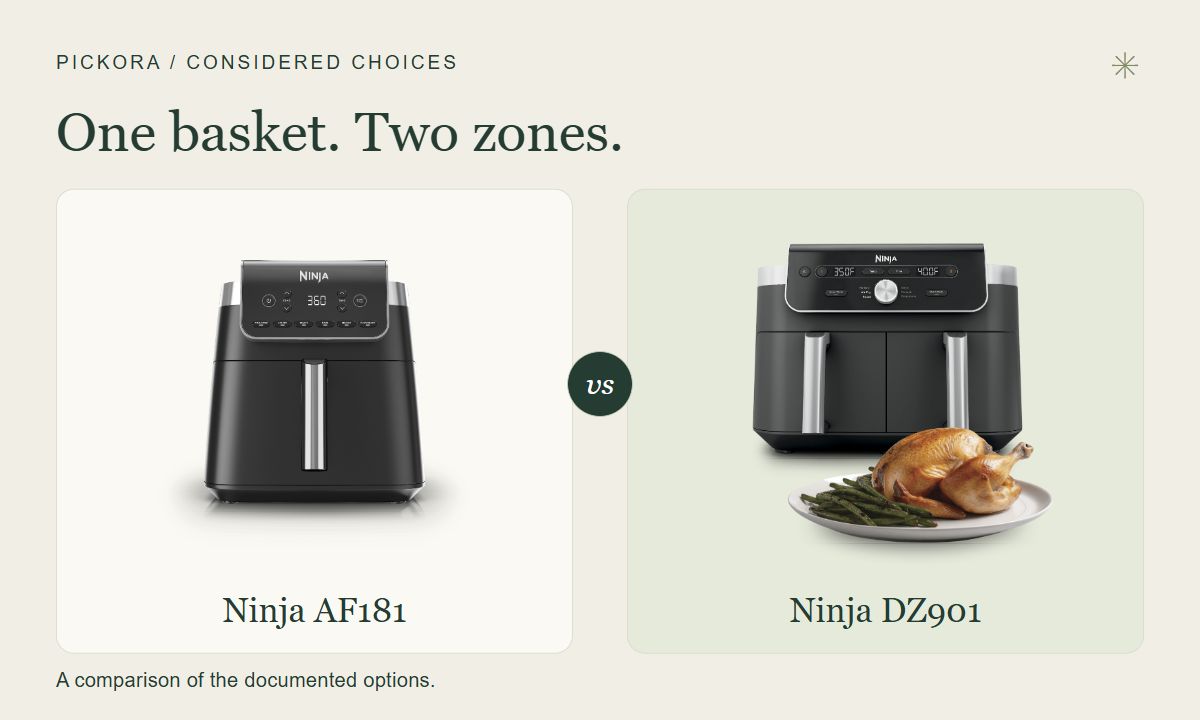
At a glance
The second zone is useful only if it solves a recurring meal-planning need. We have not established cooking quality, usable food capacity or energy savings through testing.
The comparison
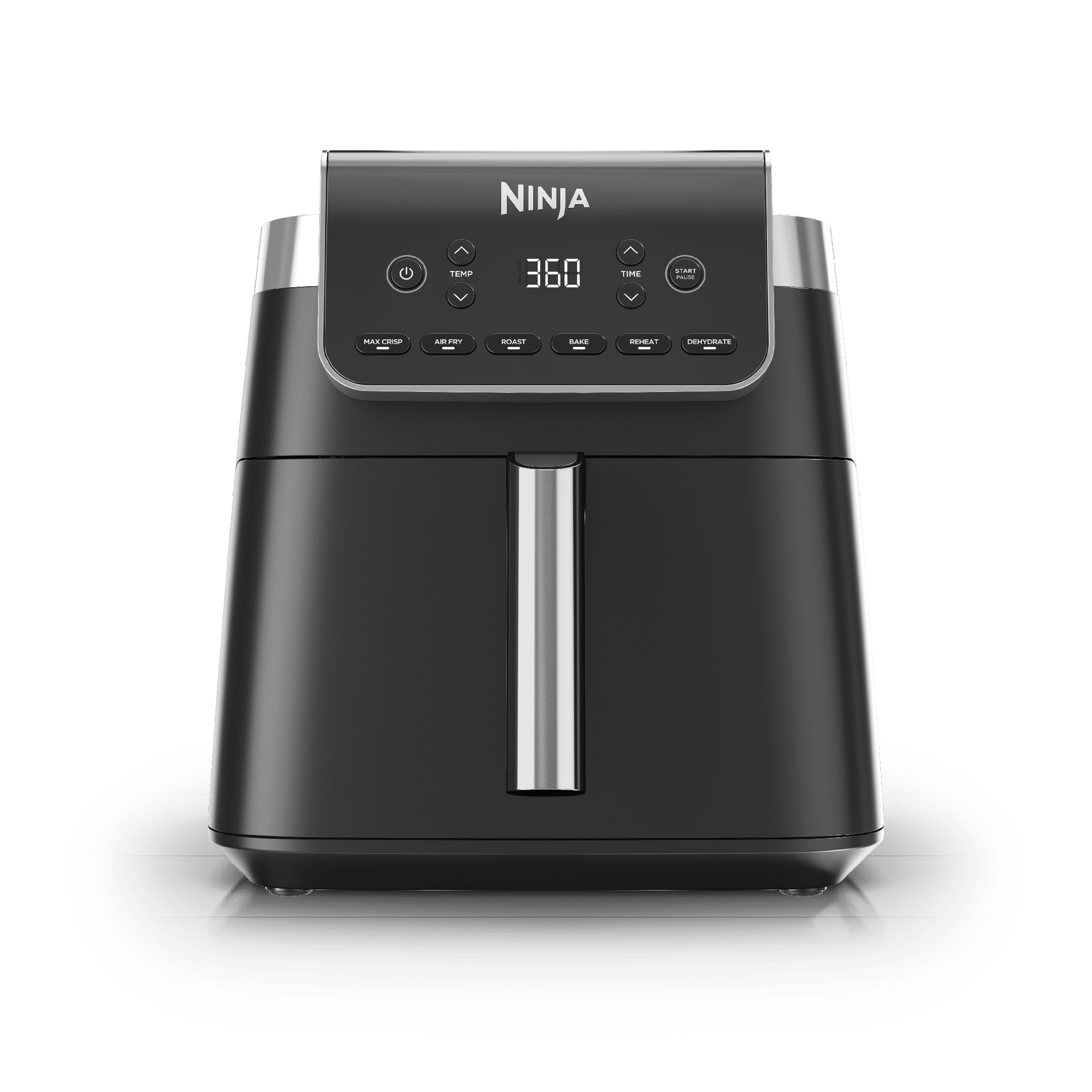
Choose Ninja AF181: AF181 for a single-basket cooking arrangement.
Choose Ninja DZ901: DZ901 when separate zones are a routine requirement.
| Criterion | Ninja AF181 | Ninja DZ901 |
|---|---|---|
| Advertised capacity | 6.5 quarts total | 10 quarts total |
| Basket arrangement | One basket | Two independent baskets |
| Meal coordination | Plan one basket or sequential batches | Manufacturer describes Smart Finish synchronization |
| Regional scope | US AF181 listing | US DZ901 listing |
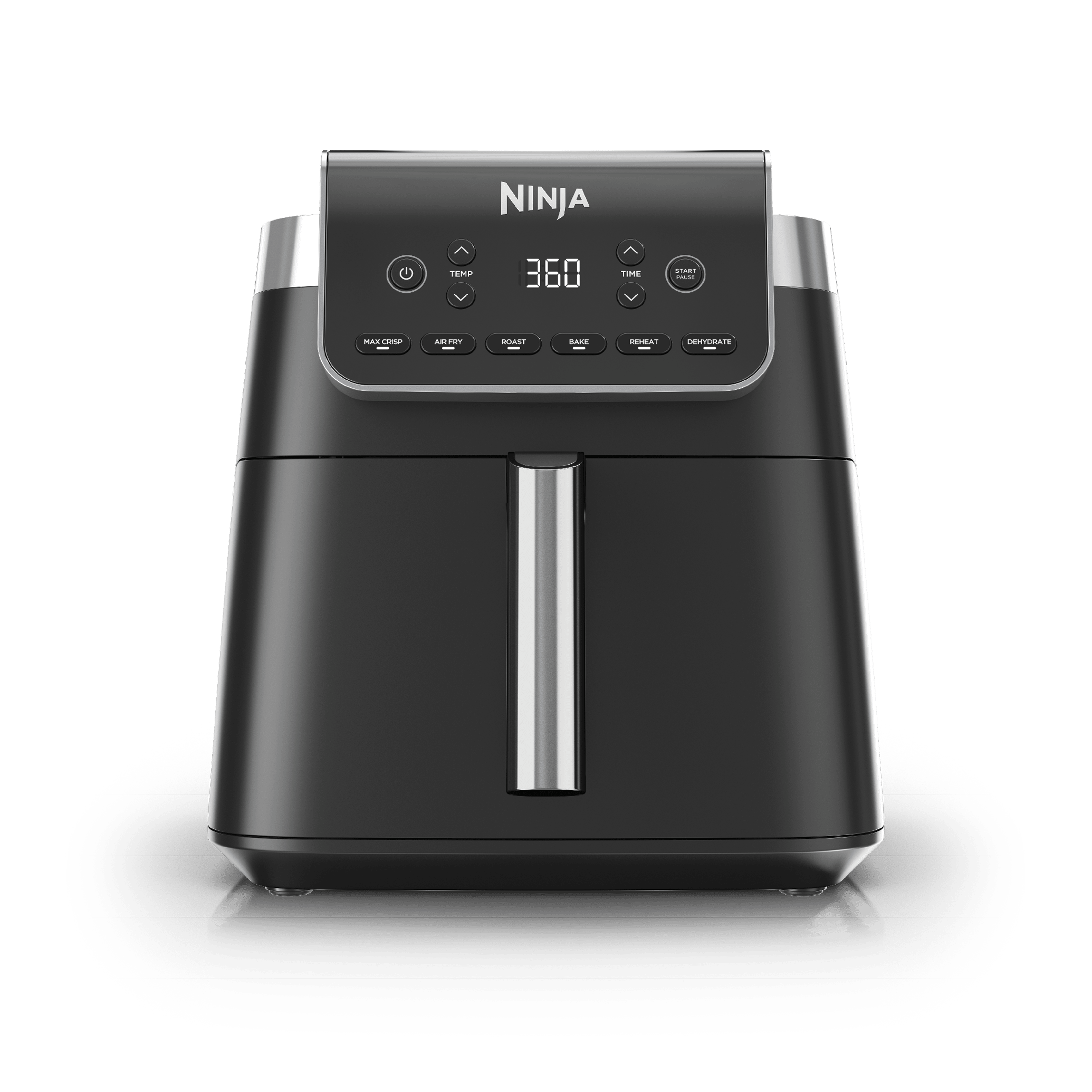
Ninja AF181
Best for: One main batch in a single basket
A US-listed 6.5-quart single-basket air fryer.
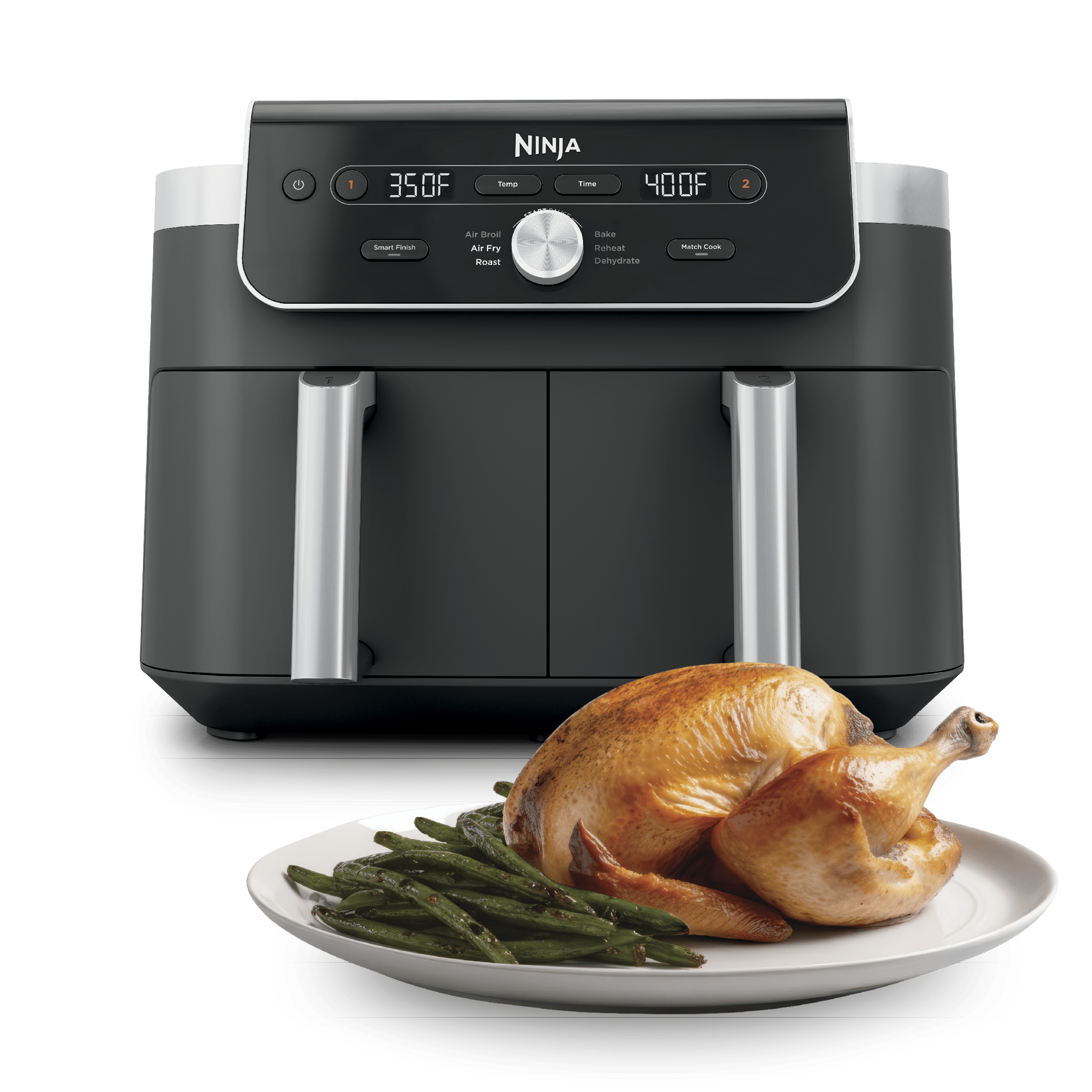
Ninja DZ901
Best for: Meals with two foods needing separate settings
A US-listed 10-quart DualZone air fryer with two independent baskets.
Advertised capacity
Total volume is not a measured single-layer food area.
Basket arrangement
Check whether your usual food fits one individual basket.
Meal coordination
We have not timed or tested either cooking workflow.
Regional scope
European equivalents may have different codes, electrical ratings and warranty terms.
Who should choose each option?
Ninja AF181: Most meals involve one main batch; You prefer a single-basket arrangement
Ninja DZ901: Two foods often need different settings; You can accommodate and clean the two-basket arrangement
Think in meals before quarts
A capacity number is easy to compare, but it does not describe the shape of dinner. The Ninja AF181 US listing specifies a 6.5-quart single basket. The DZ901 listing describes a 10-quart DualZone model with two independent baskets and Smart Finish synchronization.
This is a source-based comparison checked October 13, 2026. Pickora has not cooked in either appliance or measured heat distribution, crispness, usable food area or energy consumption. The recommendations below follow the documented basket arrangements.
One basket suits one main batch
If your usual meal is a batch of one food, a single basket is a straightforward arrangement to investigate. You do not need to divide the batch across two zones or decide which zone should carry which component. But a single basket does not become two independently controlled cooking spaces simply because the total volume is generous.
When two foods need different conditions, you may need separate batches or another appliance. Write down how you cook a typical weekday meal and see where that constraint appears. A larger appliance is not automatically the answer if the second component normally goes on the hob anyway.
Two zones change the coordination problem
The DZ901’s independent baskets provide a different arrangement. Ninja says Smart Finish synchronizes different settings so the foods finish together. Treat that as a documented feature claim, not Pickora evidence that every combination finishes perfectly or eliminates all checking.
The important purchasing question is whether each individual basket accommodates the food you intend to put in it. Ten quarts across a divided appliance should not be interpreted as one uninterrupted ten-quart cooking surface. Ask for the relevant basket measurements and consult the exact manual before relying on fit.
Counter space includes using the basket
Check the full appliance dimensions, required clearance in the manual, basket movement and a suitable place to set a hot basket. A storage spot that fits the body may still be awkward when the appliance is in use. Do not invent a universal clearance based on a photograph.
Make the same check for cleaning. Two baskets mean a different set of parts to handle and dry; that does not establish that cleaning is slower in every household. Follow the exact care instructions rather than assuming every removable component is treated the same way.
Avoid the model-name shortcut
This article compares AF181 with DZ901. The older DZ201 URL redirected to DZ901 during our research, so we do not carry forward DZ201 capacity or program claims into this comparison. Retail pages may still describe earlier or regional models.
For readers in Europe, verify the locally sold model code, electrical rating, plug and warranty. These US listings are not evidence that importing either appliance is suitable. Similar product names and photographs do not establish regional equivalence.
Make a short ownership checklist
Before buying, list the two meals you cook most often, whether their components need independent settings, and where the appliance will operate. Add the basket-fit question, cleaning routine and local return terms. Compare the exact delivered prices only after those checks; a promotion can change, while an unsuitable basket arrangement remains unsuitable.
Our conclusion is conditional: consider AF181 for one main batch, and DZ901 when separate cooking zones solve a recurring need. There is no tested cooking-quality winner here. The useful decision is which layout matches the meals and space you actually have.
Questions & answers
Is a divided 10-quart air fryer equivalent to one 10-quart basket?
No. Check each basket and the food you intend to put in it; total advertised volume is not a single uninterrupted cooking area.
Are these the European models too?
This comparison uses US AF181 and DZ901 listings. Verify the locally sold model, electrical specification and warranty separately.