At a glance
Begin with the exact model’s instructions, restraint system and suitability for the child. Then compare cleaning, space and daily handling. Product photos do not establish a safety ranking.
- A tray is not a substitute for the restraint system.
- Check the exact model and recall information before purchase.
- Use the manufacturer’s limits and setup instructions; do not rely on a generic age estimate.
A high chair becomes part of a repeated daily routine: placing the child, fastening the restraints, serving food and cleaning afterwards. The buying decision should begin with the instructions and suitability, then move to the practical details that can make that routine easier to manage.
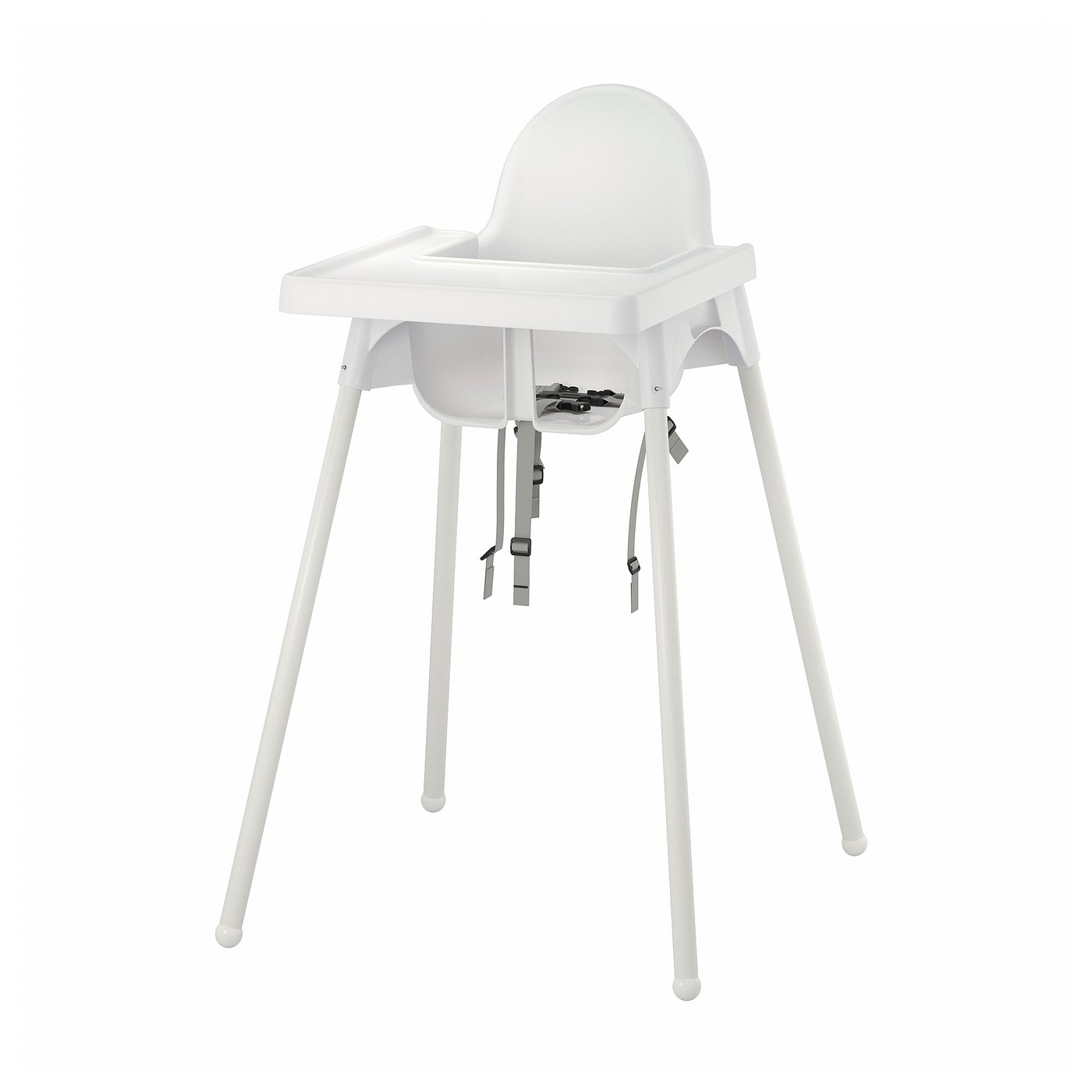
This guide uses official CPSC guidance and an IKEA product example, checked on October 13, 2026. It does not rank high chairs by safety, certify a product or assess a particular child. The photographs are IKEA’s images of ANTILOP, used to illustrate features to inspect.
Start with the exact model and its instructions
Ask for the model number, current manual, suitability limits and assembly information before comparing colours or accessories. Follow the manufacturer’s requirements for the child’s abilities and size. Do not substitute a general age estimate from a shopping article for the actual instructions.
The CPSC high-chair FAQ describes requirements addressing hazards such as falls, restraint performance, stability and tray disengagement. That is a US resource; it is not proof that a specific chair has passed independent checks by Pickora or that one region’s rules settle a purchase in another region.
For a European purchase, consult the local manufacturer documentation and applicable product-safety resources. If the seller cannot identify the exact model or supply its instructions, resolve that gap before buying.
Inspect the restraints, not just the tray
CPSC’s caregiver guidance says to use and adjust the straps, avoid using the tray as the restraint, and stay near and watch the child. Follow the chair’s instructions when fastening and adjusting its system.
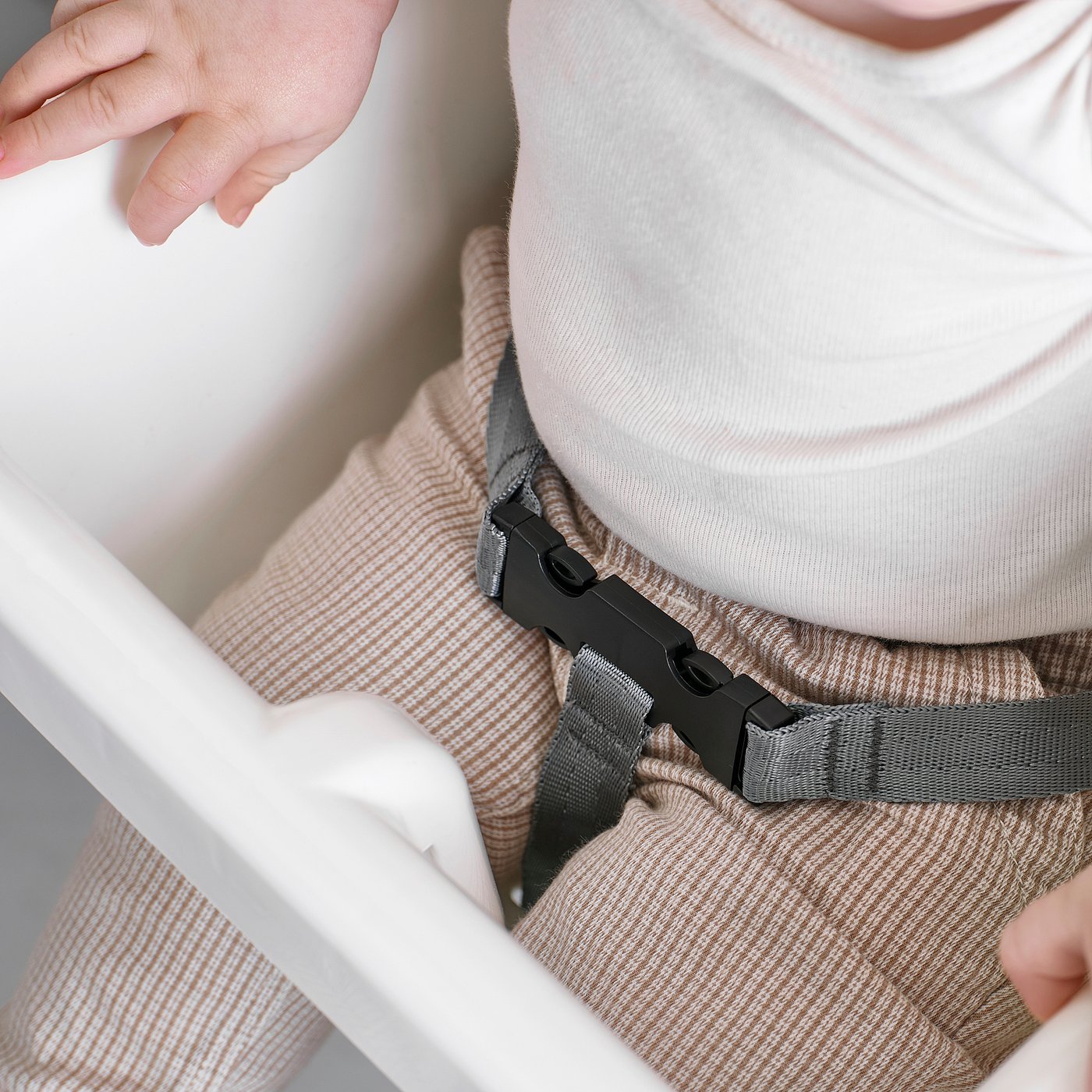
Official IKEA product photo illustrating a buckle and straps. The picture is not a complete restraint-use demonstration; consult the manual.
When inspecting a model, ask whether you can see how the buckle works, reach the adjustment points and check the assembly against the instructions. Do not plan to add an improvised strap or change the chair to make it suit the child.
Keep the everyday routine in mind too. A feature that is present on the specification sheet still needs to be used correctly every time. Choose a product whose instructions and handling are clear to every caregiver who will use it.
Compare the space around the chair
Measure the location where the chair will stand and the route you use around the table. Look at the footprint with all legs in their normal position. Follow the placement guidance supplied with the model instead of estimating an acceptable arrangement from a lifestyle photograph.
If you need to move or store the chair frequently, inspect the documented assembly or folding process. Do not assume a removable part means the chair can be used safely without it. Confirm which components are required in the intended configuration.
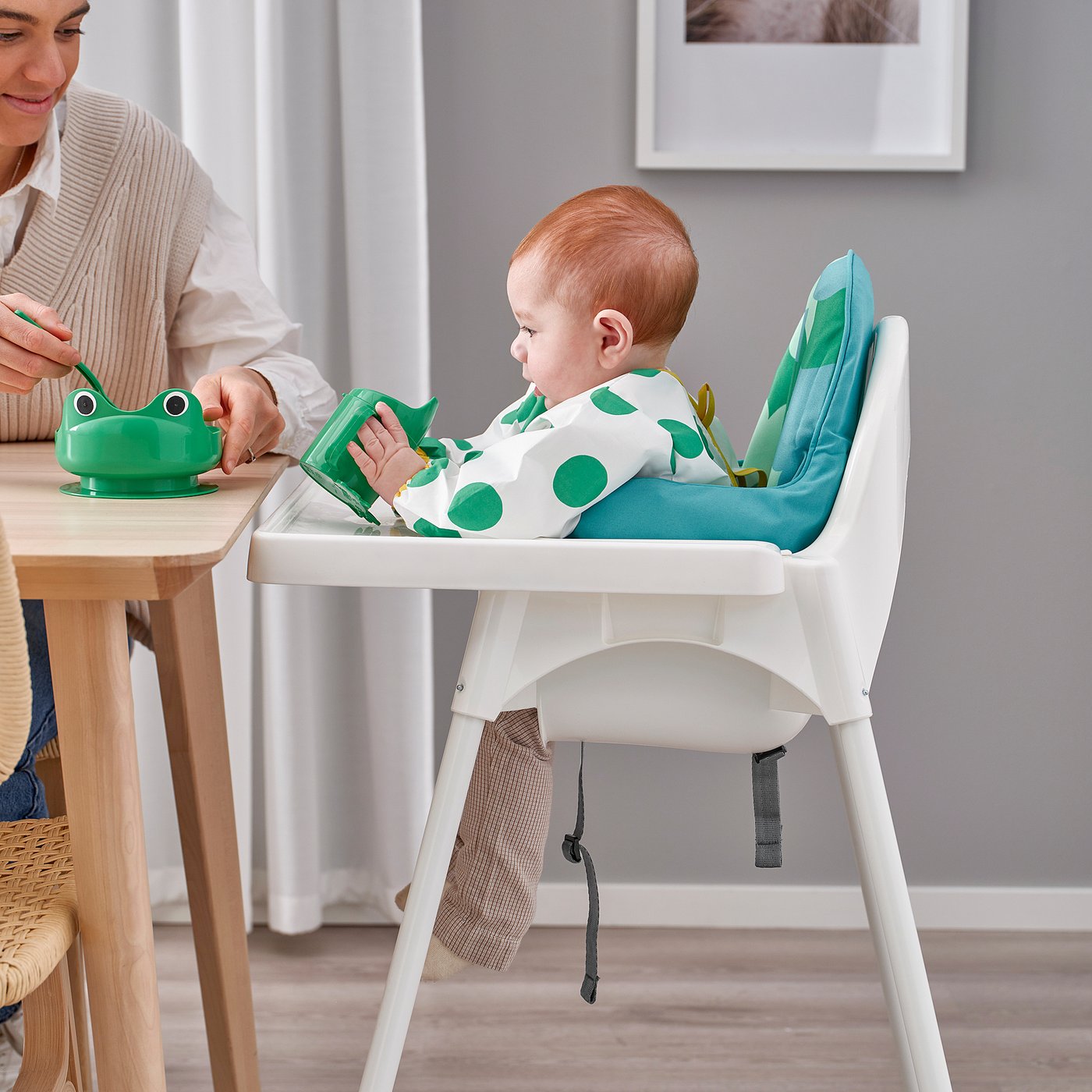
Official IKEA lifestyle photo. Use it as context for space planning, not as a substitute for the product instructions.
A small apartment may place more weight on storage; a shared dining area may place more weight on clear access around the table. Those are practical buying priorities after the product’s suitability and instructions have been checked.
Read the cleaning instructions before adding accessories
Inspect the seat, tray, straps and areas where food can collect. Ask which parts detach and how each is cleaned. Follow the manufacturer’s care guidance rather than assuming all components can go in a dishwasher or washing machine.
IKEA’s ANTILOP page supplies assembly documents, care information and stated use limits. It is an example of the information to request, not a Pickora endorsement of its suitability for your household.
Check optional cushions, inserts and mats against the manufacturer’s compatibility guidance. An accessory that looks comfortable in a photograph may change the way a product is used. Avoid improvised modifications or unrelated accessories that the instructions do not support.
Take extra care with second-hand purchases
Identify the model and inspect the complete product against its manual. Missing restraints, locks or other components should not be treated as minor cosmetic issues. Ask about damage and modifications; a vague listing description is not enough to establish condition.
Check the CPSC recall and warning database for a US purchase and the relevant local resources elsewhere. Search by the actual product identity rather than a generic description. This article has not performed a complete recall clearance for every model or pictured item, and current notices can change.
A useful comparison sheet
For each candidate, record the exact model, suitability limits, manual availability, restraint instructions, footprint, cleaning process and current recall check. Add your practical constraint: storage, movement or the table layout.
Remove a candidate if the basic identity, instructions or required parts cannot be established. Among the remaining suitable options, compare the everyday handling and care process. That produces a clearer purchasing decision than selecting a chair from a styled photograph or an unsupported “safest” label.
Useful resources
CPSC high-chair guidance
Official US guidance on high-chair requirements and hazards.
CPSC recalls and safety warnings
Check current notices for the exact brand and model; this guide is not a recall clearance.
Questions & answers
Is the pictured chair the safest choice?
No safety ranking is made. IKEA ANTILOP is pictured as a documented product example. Pickora has not independently tested it or cleared it for a particular child.
Can the tray replace the safety belt?
CPSC says no. Use the chair’s restraint system as instructed and stay near and watch the child during use.